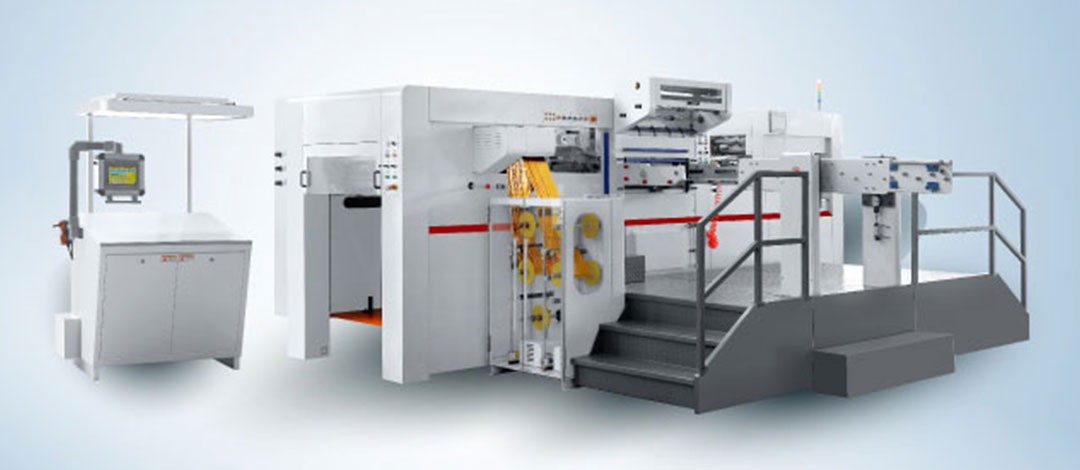


In manufacturing, precision and efficiency are critical, especially when it comes to cutting materials into specific shapes or designs. Die punching, laser cutting, waterjet cutting, and CNC cutting are popular methods, each with unique advantages. This guide compares these methods, helping you choose the right one for your needs.
What is Die Punching?
Die punching, also known as die cutting, is a process where a sharp, pre-shaped metal die is pressed into a material, cutting it into specific shapes. It's widely used for high-volume production runs in industries like packaging, electronics, and automotive manufacturing. Die punching is ideal for cutting materials like paper, cardboard, thin metals, plastics, and fabrics. Because of its mechanical simplicity, die punching is highly efficient and cost-effective, especially for projects requiring repetitive cuts.
Alternative Cutting Methods
Each cutting method has strengths that suit different applications:
Laser Cutting: Laser cutting uses a high-powered laser beam to cut materials. Known for precision, laser cutting can create intricate designs, even on thicker metals and plastics. However, it can be slower and more expensive than die punching, particularly for large production runs. The heat generated by the laser can also cause slight deformities on certain materials.
Waterjet Cutting: This method uses a high-pressure stream of water mixed with abrasive materials to cut through a variety of materials, including metals, glass, stone, and ceramics. Waterjet cutting is non-thermal, so it doesn’t cause any heat distortion. It’s highly precise, making it suitable for complex designs, but can be slower and more costly due to the power and materials required.
CNC Cutting: Computer Numerical Control (CNC) cutting employs computer-controlled machinery to cut various materials with a rotating tool. It’s highly accurate and can handle metals, plastics, and wood. CNC cutting is ideal for small, detailed cuts and prototypes but may be more time-consuming and expensive for high-volume projects compared to die punching.
Comparative Analysis
To determine which method best suits your needs, let’s examine these methods by key factors:
Precision: Laser and waterjet cutting generally provide higher precision than die punching, especially for intricate designs or small details. CNC cutting also offers excellent precision, ideal for custom or complex shapes. Die punching, while precise, may not achieve the same level of detail due to the limitations of the metal die shape.
Efficiency & Speed: Die punching is the most efficient option for high-volume runs, as it operates in a single, fast punch. Laser cutting can be faster for smaller or intricate designs but slows down for bulk tasks. Waterjet and CNC cutting are generally slower, as they require careful, incremental cutting.
Cost-Effectiveness: For mass production, die punching is the most cost-effective method. It involves minimal setup costs and produces low waste. Laser and CNC cutting tend to have higher operating costs due to energy consumption and equipment wear. Waterjet cutting can be the most expensive, given the high water pressure and abrasives required.
Material Compatibility: Die punching is best for thinner materials like paper, plastic, and sheet metal. Laser cutting works well on various materials but may struggle with reflective metals. Waterjet cutting can handle almost any material without deformation, and CNC cutting is versatile with metals, plastics, and wood.
Environmental Impact: Die punching is energy-efficient and produces minimal waste, making it environmentally friendly for high-volume runs. Laser cutting consumes significant energy and emits fumes when cutting certain materials. Waterjet cutting uses water and abrasives but can produce wastewater. CNC cutting’s environmental impact depends on the material and energy used.
Which Method is Right for Your Needs?
Choosing the best cutting method depends on your project’s specific requirements:
- If you need high-volume, repetitive cuts at low cost, die punching is ideal.
- For small-batch, intricate designs that require high precision, consider laser cutting.
- Thick, tough materials that may deform under heat are best suited to waterjet cutting.
- CNC cutting is excellent for prototypes or custom shapes in materials like metal, plastic, and wood.
Die punching, laser, waterjet, and CNC cutting each serve different purposes in manufacturing. For high-volume projects, die punching’s speed and cost-effectiveness make it an excellent choice. However, for intricate designs or unique materials, laser, waterjet, or CNC cutting may be better suited. By considering your project’s volume, material, and required precision, you can select the method that will maximize efficiency, quality, and cost-effectiveness.